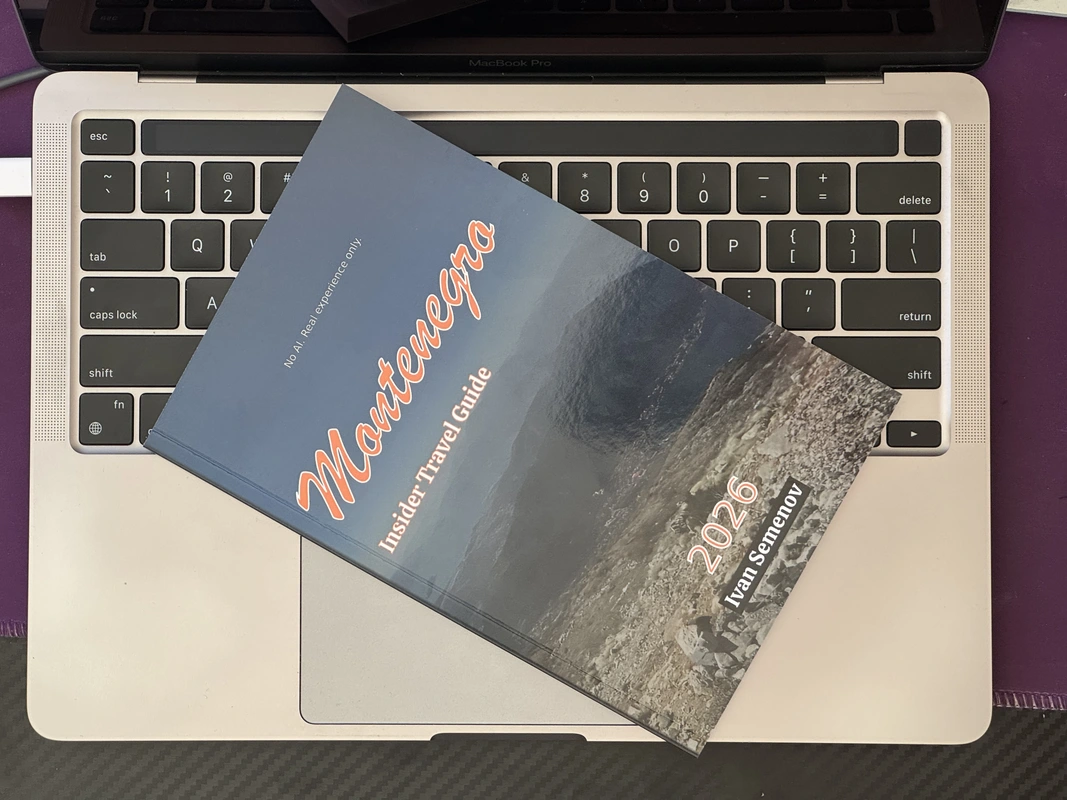
Montenegro Insider Travel Guide
No AI • Real Local Experience • 2026 Edition

Montenegro Insider Travel Guide

Nobody will tell you this about the Balkans and you won’t find this info on Google. I lived in Montenegro for over a year, got my residence permit, opened a company there, and drove across the entire country by car and motorcycle.

Montenegro Insider Travel Guide
€19.99
Montenegro Insider Travel Guide
PDF + EPUB • 2026 Edition • Instant Download
60+ pages
Practical insider PDF handbook
1+ year
Lived locally with residence permit
3 routes
Ready 5, 7 & 14-day itineraries
1-on-1
Direct email support from the author
Montenegro in 60 Seconds

Montenegro in 60 Seconds: 6 Facts That Save You Money and Nerves

A quick breakdown from my time living in the country — the exact things first-time visitors usually trip over during their first two days.

Currency & Cash

Euro (€) + cash needed

Montenegro uses the Euro unilaterally even though it is not in the EU. Cards work fine in supermarkets and restaurants, but always carry €50–100 in small notes for bakeries (pekara), markets, buses, parking meters, and beach sunbeds.

Mobile Data

No EU Roaming

EU "Roam Like at Home" plans do not cover Montenegro. Turn off mobile data before crossing the border or your carrier can charge €50 in five minutes. Buy a local tourist SIM/eSIM (One, MTEL, or Telekom — €15–20 for 500 GB).

Tourist Registration

Mandatory in 24h

Every foreign visitor must register and pay the tourist tax (~€1/day, called bijeli karton) within 24 hours. Hotels do this automatically; if you rent an apartment, make sure your host registers you to avoid a fine of up to €200 when leaving.

Roads & Distances

30 km ≠ 30 minutes

Don’t trust Google Maps driving times. Montenegro has only one short motorway stretch; the rest are two-lane mountain or coastal roads. In summer, the 23 km between Kotor and Budva can easily take over an hour because of the Vrmac Tunnel, and crossing the border from Dubrovnik at Debeli Brijeg can take up to 4 hours.

Car Rental

No credit card needed

Unlike in Italy or Croatia, dozens of local rental companies in Montenegro rent cars for cash without freezing €1,000 on a credit card. The main thing is to thoroughly photograph the car body and be ready to argue with the manager (or buy full insurance).

Weather Contrast

Up to 15 °C difference

While people are swimming at +28 °C in Kotor or Budva, a 2.5-hour drive north to Žabljak can drop you into +8 °C in the evening. Always pack a warm hoodie and windbreaker even in July and August.

Country Regions Breakdown

Where to Go in Montenegro: A Short Overview of the Main Places

Montenegro only looks tiny on a map. Within a two-hour drive, Venetian stone waterfronts give way to alpine passes, and busy beach resorts turn into wild sandy spits on the Albanian border.

1. Bay of Kotor (Kotor, Perast, Dobrota, Tivat, Herceg Novi)

Medieval architecture, a fjord, and a port with superyachts
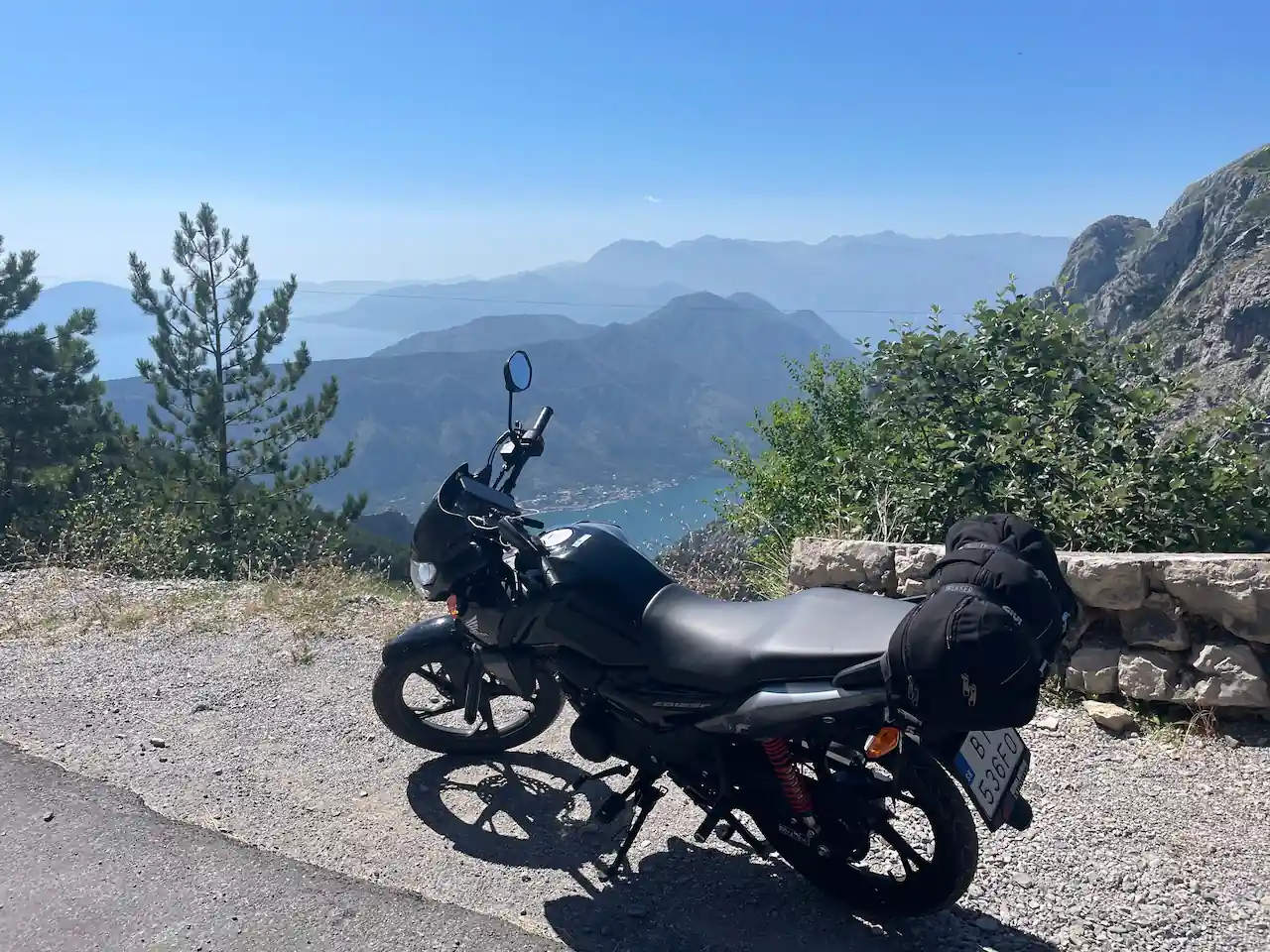
My moped above the Bay of Kotor

The most photogenic part of the country. Narrow cobbled lanes in Kotor Old Town filled with cats, the baroque waterfront of Perast with Our Lady of the Rocks islet, quiet seaside cafes in Dobrota, and the spotless luxury promenade of Porto Montenegro in Tivat.

Who it suits:

First-time visitors, postcard views, waterfront dinners, and relaxed walks without rushing.

Main trap to watch out for:

There are almost no beaches in the bay, and during the day Kotor Old Town is packed with passengers from cruise ships.
2. Budva Riviera (Budva, Bečići, Sveti Stefan, Petrovac)

The country’s main beaches, Sveti Stefan island, and the nightlife hub

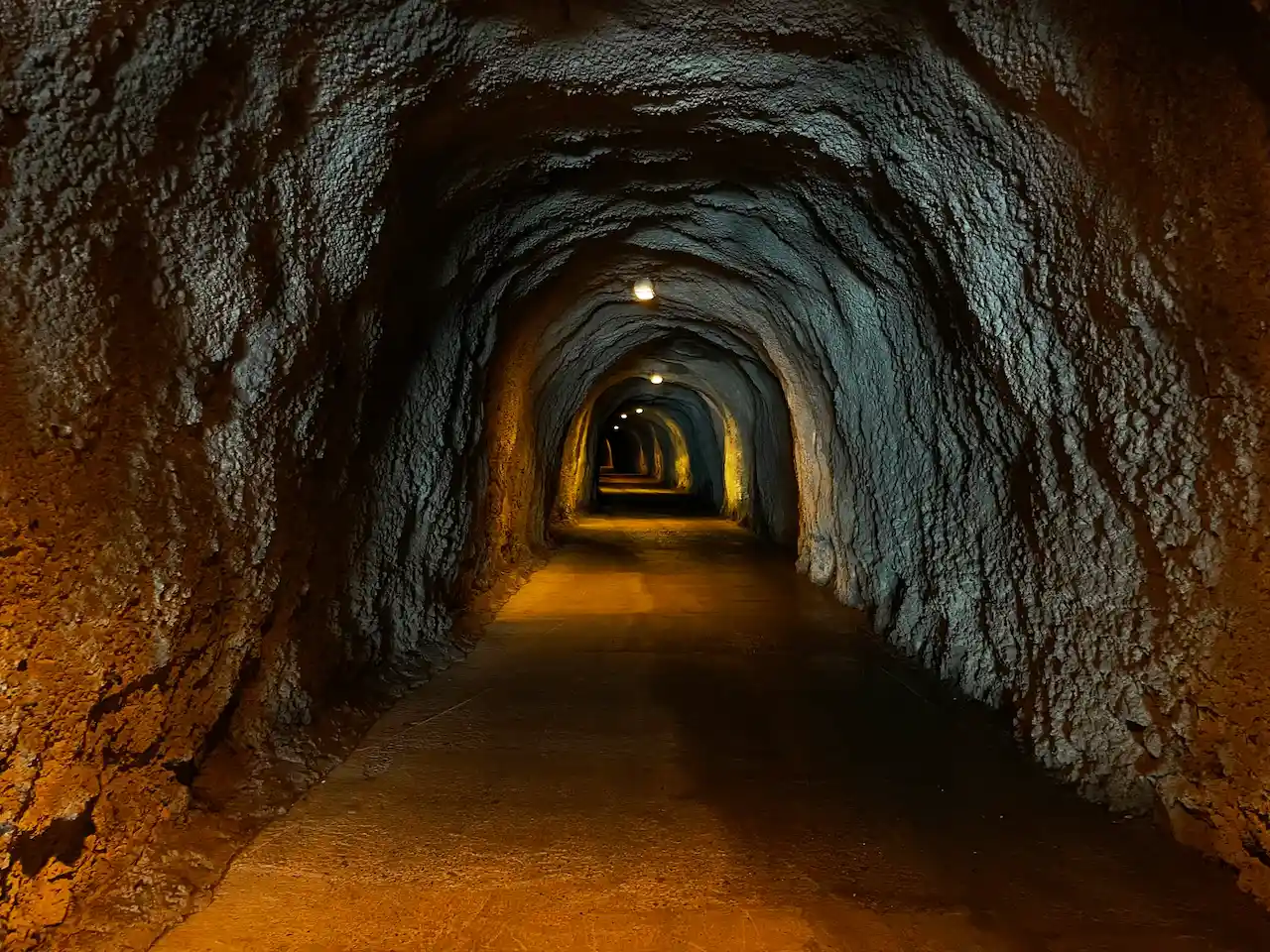
Pedestrian tunnel in Bečići

If you want open Adriatic water and long beaches, this is your spot. Home to Jaz, Mogren, Kamenovo, and Bečići beaches, the royal pine park of Miločer overlooking Sveti Stefan, and family-friendly Petrovac with its cliffside walking trail through rock tunnels.

Who it suits:

Beach vacations, bars and nightlife, trips with friends, or staying centrally for coastal trips.

Main trap to watch out for:

In July and August, Budva turns into a loud, heavily built-up resort with constant traffic jams where finding even paid parking can take half an hour.

3. The North & High Mountains (Durmitor, Žabljak, Tara Canyon, Kolašin)

Alpine Montenegro: glacial lakes, Europe’s deepest canyon, and the high Sedlo Pass

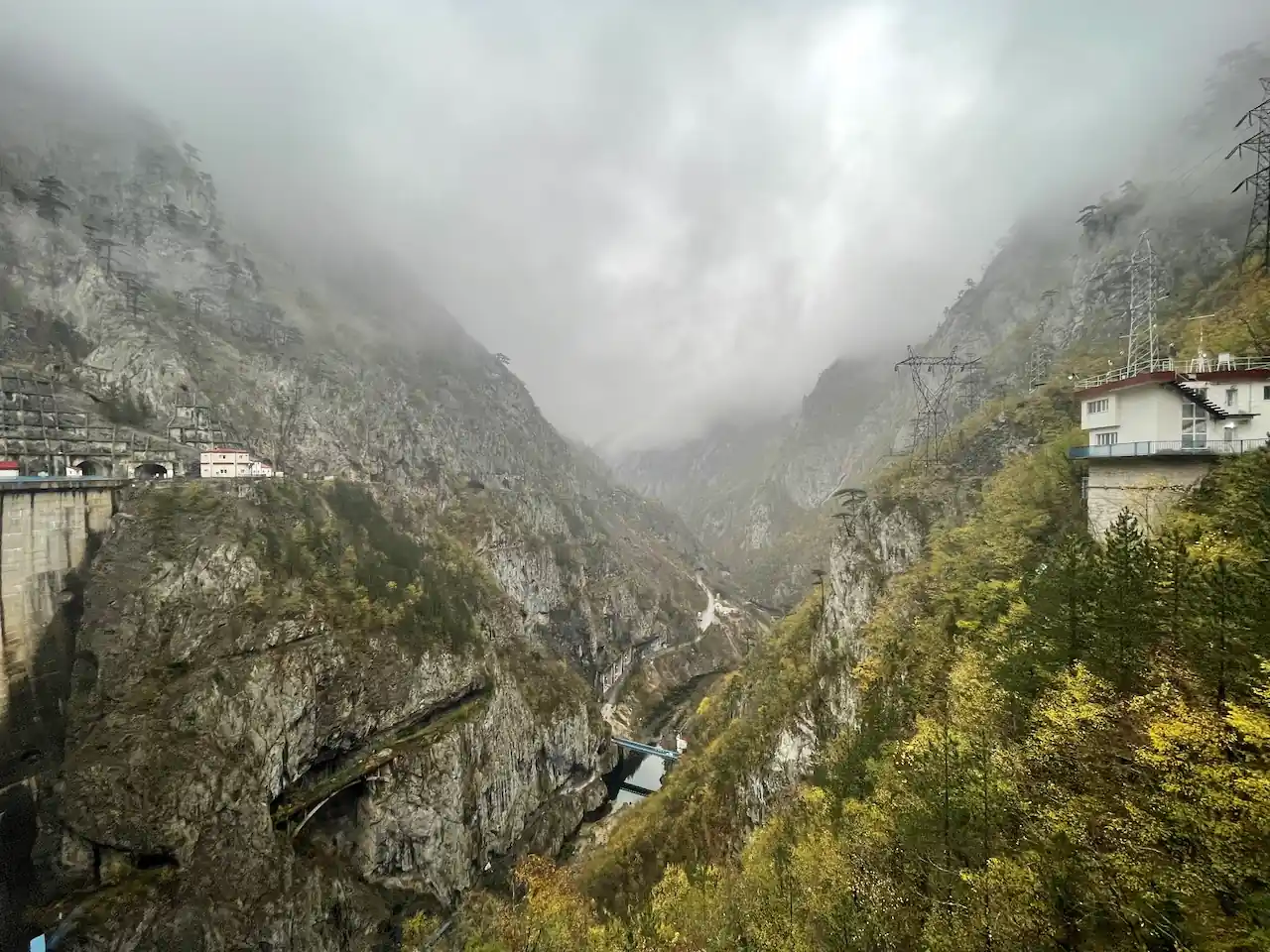
Sedlo Pass in the clouds in Durmitor

Up north is where you truly understand why the country is called Montenegro (Black Mountain). The scenic P14 road over Sedlo Pass (1,907 m), Black Lake at the foot of Durmitor’s peaks, Đurđevića Tara Bridge over the Tara Canyon, emerald Piva Lake, and the old-growth forest of Biogradska Gora.

Who it suits:

Road trips, hiking, escaping summer heat, rafting, ziplining, and pure mountain quiet.

Main trap to watch out for:

Don’t take a one-day bus tour north from the coast — you will spend half the day on a bus and won’t have time to see anything. You need to drive here by car for at least 2 nights in Žabljak.

4. Central & Historic Heartland (Lake Skadar, Mount Lovćen, Cetinje)

Wine roads, water lilies on the Balkans’ largest lake, smoked pršut in Njeguši, and the old royal capital

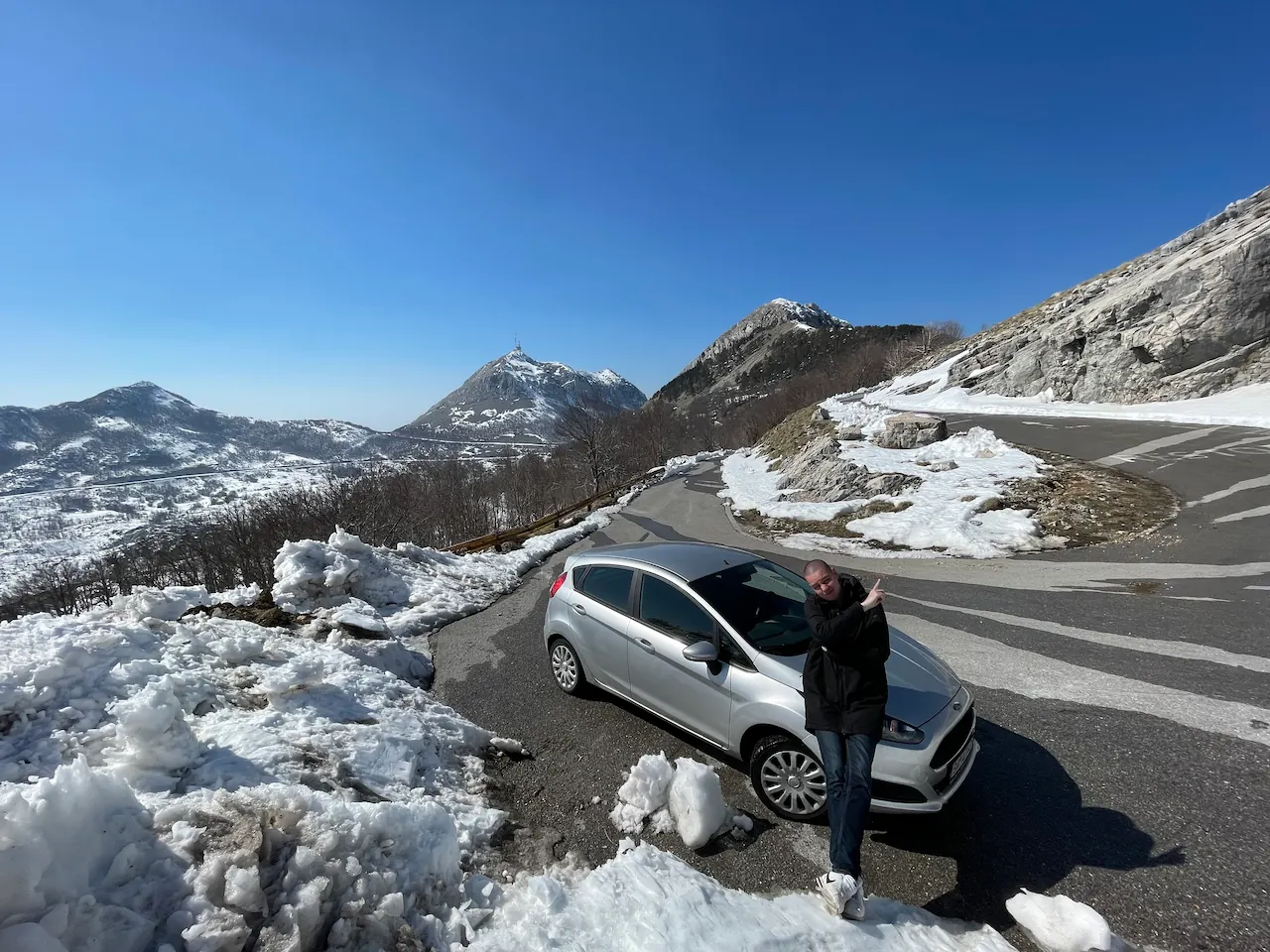
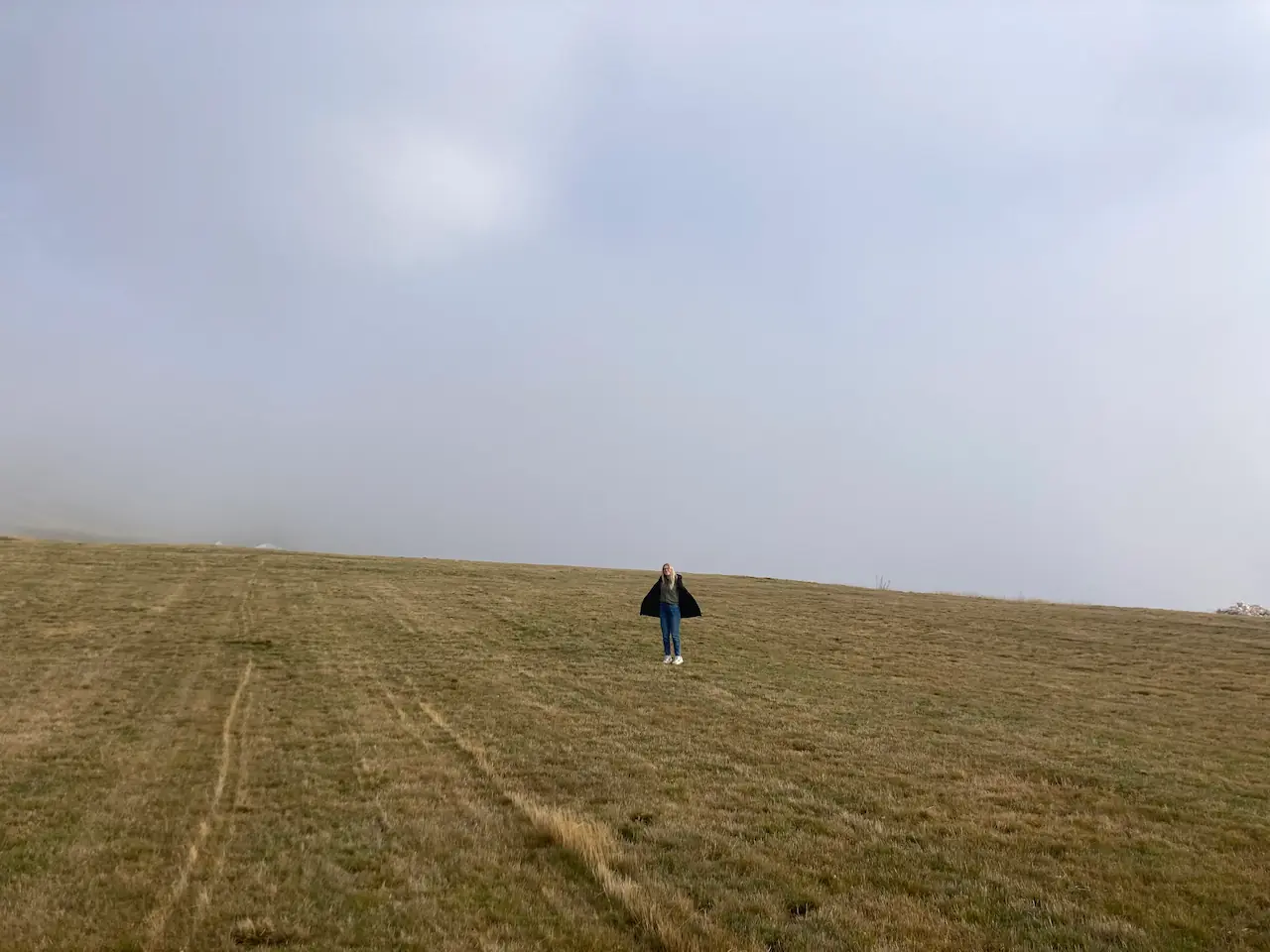
Me on the way to Mount Lovćen in late March. Still a lot of snow here!

Just an hour’s drive from the coast, a completely different life begins: the famous bend of Rijeka Crnojevića, boat trips on Lake Skadar, home wineries, the historic capital of Cetinje, and the Mausoleum of Petar Njegoš at the top of Lovćen. Because of this place, the country is truly called Montenegro.

Who it suits:

Local food, Vranac wine tastings, history, and wide-open views across the entire country.

Main trap to watch out for:

The old 25-turn serpentine road from Kotor to Njeguši is very narrow: if you don’t like squeezing past buses above a drop-off, go up on the new cable car or drive from the Cetinje side. If views of the hills and the sea matter more to you — this is a plus, not a minus.

5. The South Coast (Bar, Old Bar, Ulcinj, Ada Bojana)

A 12-kilometer sandy beach, kitesurfing, ancient olive groves, and year-round local life

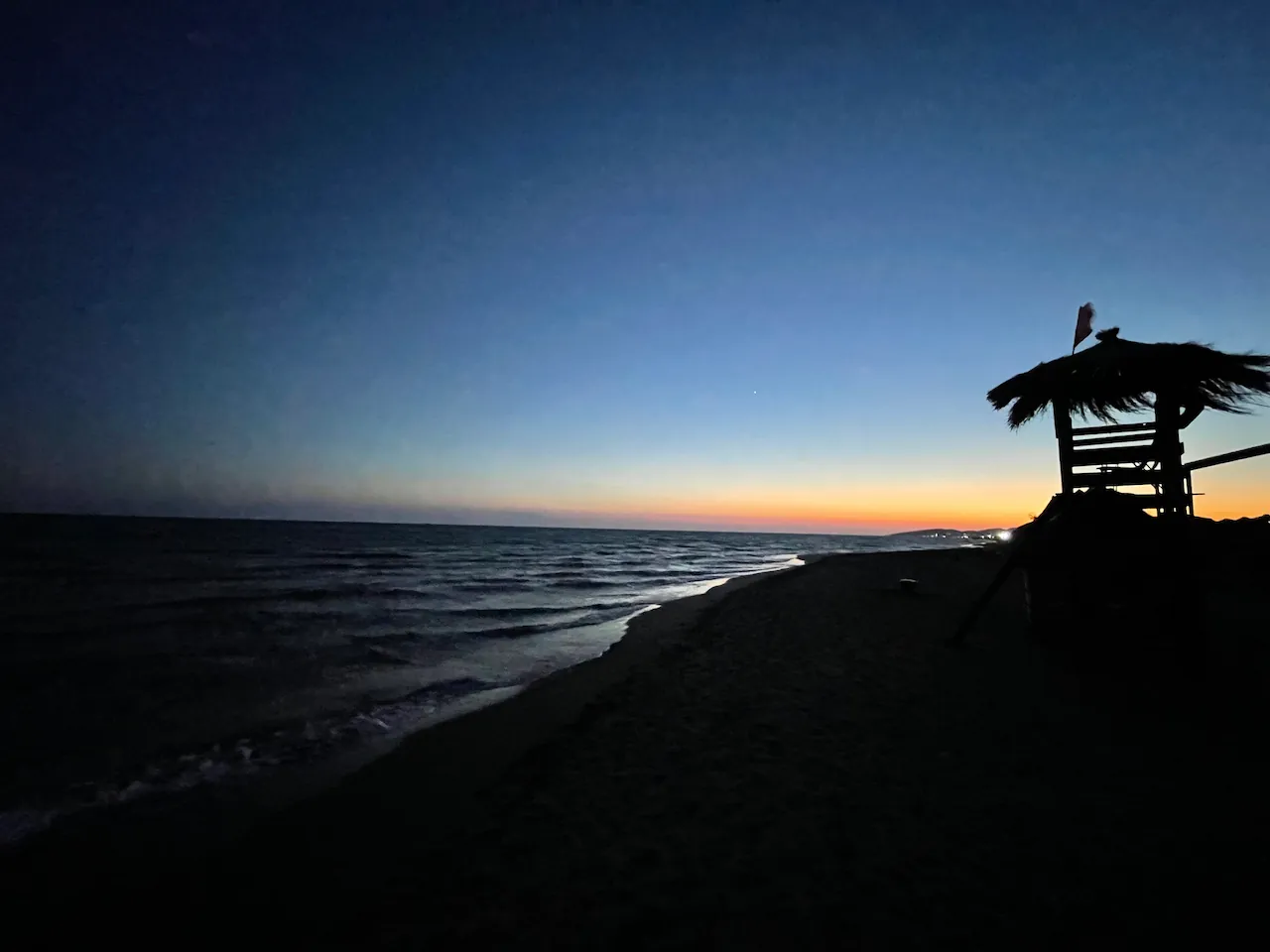
Long sandy beach between Ulcinj and Ada Bojana island

The sunniest and most affordable part of the Montenegrin coast. The spacious port town of Bar is comfortable for year-round living, while in Ulcinj and on Ada Bojana island a real Eastern vibe and an endless sandy beach begin.

Who it suits:

Sandy beach lovers, kitesurfers, off-season stays, and lower prices on apartments and fresh fish.

Main trap to watch out for:

Central Ulcinj in August is incredibly chaotic and loud, and on many stretches of the long beach and Ada Bojana there is nothing to do without your own car.

Want a ready day-by-day route across these regions? Read my free Montenegro Travel Itinerary for 5, 7, and 14 Days , and check the complete city-by-city breakdown, hidden coves, and tested konobas inside the book.
2026 Seasons & Real Costs

Best Time to Visit Montenegro: Seasons, Weather & Daily Budget

Your impressions of a trip to Montenegro depend heavily on the season. Let’s take a closer look at the weather, crowds, and budget:

When Weather Crowds & Traffic Budget for Two Bottom Line
May – June Air is already around +25 °C, the sea is already nicely warmed up, nature is green like Jumanji Not many tourists yet, roads are relatively clear From €90 a day, everything is gradually getting more expensive Best overall window for a full-country road trip combining the coast and mountains
July – August Hot +33 °C by the sea, warm sea water, comfortable weather in the north Peak season. Traffic jams along the entire coast, packed beaches, lines at the borders From €130, the most expensive time Come only if you love hot sea water and nightlife — or escape north into the mountains
September – November Velvet season: air +26 °C, the sea stays warm for a long time, you can still swim (if it doesn’t rain) Tourists have already left. Parking lots have free spaces, town centers are calmer From €100, prices drop in September The best time from my point of view. The weather is still warm, prices don’t bite, and the tourists have left
December – April On the coast +10…+16 °C, cool everywhere, and snow in the north. The best time for skiing No tourists, no traffic jams, free parking everywhere, the most authentic time From €50, car rental from just €12, plenty of available accommodation The second best time for me. Especially in April, when the snow melts in the mountains and nature comes alive.

Think Croatia is better? Maybe for you, yes. I have been to Croatia many times too, check out my detailed comparison: Montenegro vs Croatia for tourists. Comparison from someone who lived there.

Montenegro Insider Travel Guides

Practical notes on regions, border crossings, car rentals, and tourist traps — written from over a year of living and driving across Montenegro.

All Montenegro Guides
First-Hand Local Experience

Why this is not just another generic guidebook

You can spend a week watching videos about Montenegro on YouTube, or get all the information about the country right away from someone who knows it inside out.

When I moved to Montenegro, got my residence permit (boravak), and opened a company there, I realized that most guides and videos tell the exact same story.

Few people will warn you that there are almost no sandy beaches here, how car rental companies try to scam you out of money when you return the car, which places in Montenegro are hyped beyond belief, and where it is actually worth going to get real enjoyment out of your vacation here.

I spent 4 months putting all my knowledge about Montenegro into a 60+ page book, where I broke down the tourist mistakes that cost money, time, and nerves. I mapped out travel plans across the country — where you definitely need to go and what to skip. How to behave and how to get locals to like you. And I touched a bit on the culture, history, and language of Montenegro.

Who this guide is written for

  • 01
    First-time independent travellers

    Planning your own trip without overpriced package tours and wanting clear, honest logistics from airport to coast and mountains.

  • 02
    Couples, solo travellers & small groups

    For those looking for authentic Balkan cafes, wild beaches, and viewpoints without crowds of tourists.

  • 03
    Road-trippers & mountain lovers

    Deciding how to combine the Bay of Kotor, the Adriatic coast, Durmitor National Park, and Lake Skadar in 5, 7, or 14 days.

  • 04
    People considering a longer stay

    Comparing where to actually live off-season — how Bar differs from Budva, Tivat, or Kolašin.

What’s Inside

What you will find inside the 60+ page guide

Every chapter focuses on concrete decisions: where to stay, how to move around, what to eat, and how not to overpay.

01

Full comparison of all regions

Why choose Kotor over Budva, or Bar over Kolašin. Pros and cons of Herceg Novi, Perast, Tivat, Ulcinj, Cetinje, Sutomore, and even Bijelo Polje.

02

Getting into Montenegro without border nightmares

Airports (Tivat vs Podgorica vs Dubrovnik) and how to cross the Croatian border without sitting in a 4-hour queue under the sun.

03

Car rental vs public transport

When buses are enough and when you can’t do without a car. How to rent from local companies and not get scammed.

04

Avoiding tourist traps & extra costs

Taxis, tourist registration (bijeli karton), roaming, ATM fees, and restaurant bill tricks.

05

Hidden gems, food & what to buy

Places that aren’t in any travel guide (not even on this website!). Plus a list of restaurants that I personally liked.

06

Ready-to-use 5, 7 & 14-day itineraries + Phrasebook

Step-by-step daily plans depending on your pace, plus a 4-page bonus of the most useful Montenegrin words and phrases.

Take a look inside the book

Real spreads from the 2026 edition, all my experience in the book. Future updates are free

Free 11-Page Sample

Free Direct Download • No Email Required

Read the first 11 pages of the book for free

Want to check the style, layout, and value before buying? Download the official 11-page PDF sample of the book right now

  • ✓ 11 real pages from the 2026 edition + full Table of Contents
  • ✓ Direct PDF download — no registration or email wall
  • ✓ Free to share with friends or travel partners planning the trip with you

PDF format • Instant open in browser or download • Free distribution allowed

Free Pre-Trip Checklist PDF + Email

Get my pre-flight Montenegro checklist on your email

Tourist registration within the first 24 hours, protection against €10/MB Balkan roaming, how much cash to bring, which documents they ask for at the border, and what else you definitely need to do.

I send the checklist personally. You can unsubscribe or request data deletion at any time.

Frequently Asked Questions

How many days do you actually need for a trip to Montenegro?
For the first time, 5 days is enough. It’s enough to book a room in one hotel on the coast and get to know the Bay of Kotor and the nearby mountains. To visit Lake Skadar without rushing, see the second deepest canyon in the world, and visit the north, you will need at least 7 days. But the best timeframe for immersing yourself in the Balkan atmosphere is two weeks.
Is Montenegro expensive in 2026, and how much money do I need per day?
Montenegro is noticeably cheaper than most European countries. Even Slovakia feels expensive after Podgorica. On a budget, you can plan from €50 a day, and for a comfortable trip €100 a day is definitely enough (in the summer season it is better to budget from €150).
Is Montenegro safe for tourists, and how hard is driving in the mountains?
Yes, it is very safe here. According to the U.S. Department of State (Travel.State.Gov), Montenegro is safer than Italy, Denmark, and Luxembourg. The main danger is on the roads — Montenegrins drive like crazy, and rocks sometimes fall from the mountains. But I have never been in an accident, so don’t be afraid!
How does tourist registration (bijeli karton) work, and where do I get a SIM card?
By law, every foreign tourist must be registered within 24 hours of arrival. Hotels do this automatically, and apartment hosts can register you themselves. Sometimes you will have to go and do it yourself. It is best to order a tourist eSIM in advance. I use the Airalo app. And if you have already arrived in Montenegro and haven’t bought an eSIM yet, you can buy one from the carrier One — they have good tourist plans.
What format do I receive after purchasing the guide?
You get instant access to a 60+ page digital PDF (plus EPUB) formatted for comfortable reading on your phone, tablet, laptop, or for printing before your flight. All future updates are included.
Can I really email you if I have a question about my itinerary?
Yes, the purchase includes my personal email support. If you have questions about Montenegro, I will help you to the best of my ability.(Just please don’t abuse it — I offer this help voluntarily, not as a formal obligation!)
Is the information up to date for 2026?
Yes, the book was written and updated in 2026. It takes the latest changes into account. I continue to maintain and update the book with new data.
Do I need a car in Montenegro, or does the guide cover public transport too?
The guide covers both. I explain clearly which coastal trips are easy by bus and where renting a car makes a huge difference, along with how not to get overcharged by rental agencies.